
Books In Translation: Libros en Español

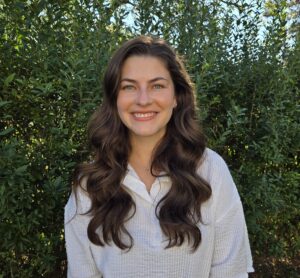
Q&A with Alex Robertson about the Spanish-language market in the US and how editors, authors, and translators work together to make books accessible for young readers.
Alex Robertson is the Senior Editor for Ediciones NorteSur, the Spanish-language imprint of independent publisher NorthSouth Books. She was previously an associate editor at Candlewick Press.
What creative aspects of language excite you when you read or edit a Spanish translation?
The most exciting part about receiving a translation is getting to experience the story again for the first time. It’s such a joyful process to immerse yourself in language. Translators are such experts at taking the essence of the original text and expanding upon the nuances in a second language. I love collaborating with translators and discussing word choice or phrasing to make sure that the sentiment is just right.
When an author speaks both English and Spanish, this offers a unique perspective to their book in translation. How does an author’s bilingualism contribute to both the English and Spanish edition of their book, particularly when they write both language editions?
Working with author-translators is always a great experience. They’re such masters of the content and often have such a clear vision for the translated piece that it can allow for a more authentic and personal translation.
Are there any concepts or language aspects that are challenging to translate from English to Spanish?
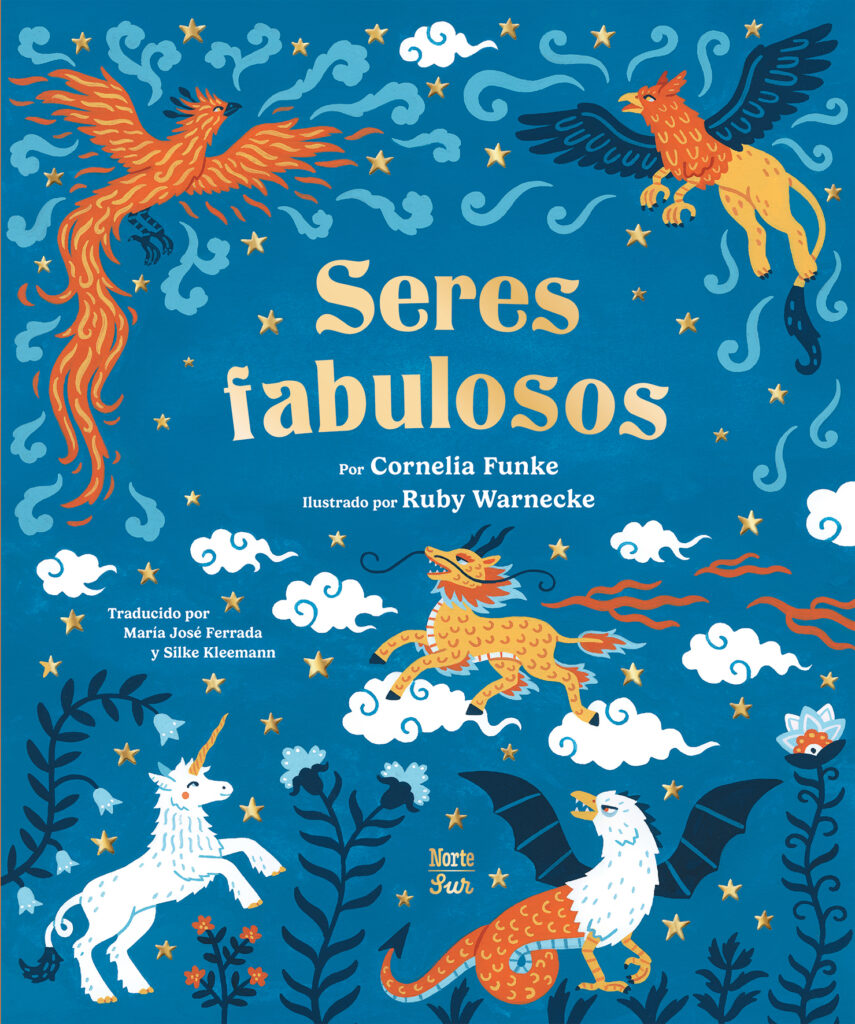
One of the challenges we face when working with translations is actually space constraint on the physical page. Spanish translations can often (but not always!) have a higher word count than their English counterparts so we really rely on our designers to work their magic so that the text itself can fit on the page.


What are some creative ways translators have managed these differences between languages?
If need be, I will work with the translator and the designer to find creative ways to rephrase or edit down the text in such a way that allows the text to fit the page, while also maintaining the integrity of the story!
There are many different dialects and regional aspects to Spanish–how do you (as an editor) and the translator decide on the direction to take with the translation? This could be as specific as word choice or a broader consideration for how Spanish is spoken in different places.
Latinidad and Spanish are not a monolith and so I love when I get to collaborate with authors and translators to capture the nuances of their stories and of the Spanish language.
When a story takes place in a community I may not be as familiar with, I trust my translator and the creators to speak to the authenticity of their work. The decisions regarding word choice are done with intention and care while also ensuring that the story remains accessible and enjoyable for the child reader. This was especially true when working on our upcoming title, La gran sorpresa de Pésaj. Set in Argentina during Passover, I learned a lot from Ana María, the author and translator, about vocabulary specific to Argentina and even the “vosotros” verb form that is used there more than in other Spanish speaking communities. I’m really proud that we were able to create a story that so many readers will be able to identify with, while also celebrating and elevating the nuances of the Spanish language.
Do you have any observations of the Spanish picture book market in the US in recent years? Trends, types of books being translated, etc.
I’m so happy to see more picture books being published simultaneously in Spanish with their English language counterpart. It indicates an understanding of the necessity of books in multiple languages; that books in Spanish are and should be a priority because they serve both native and non-native speakers alike.


What types of books in Spanish (themes, stories, formats etc.) would you like to see more available in the US?
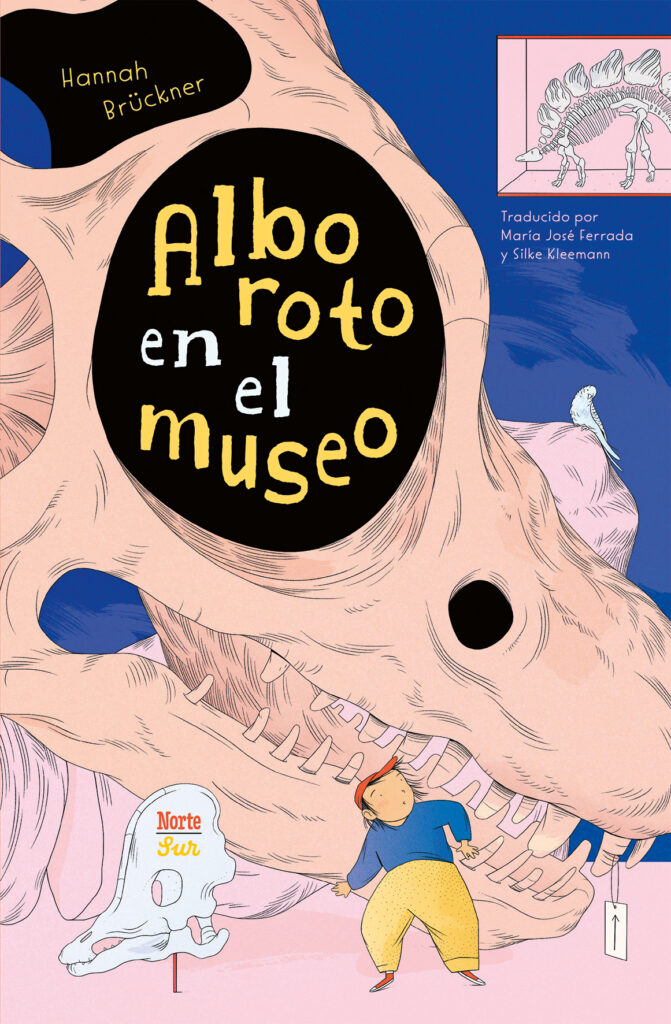
We are seeing such great strides in the accessibility and availability of books available in Spanish, but there’s always more to do. I think I’d like to see stories that celebrate the wider Latine community and more nonfiction titles that showcase prominent political and historical Latine figures.
ABOUT NORTHSOUTH BOOKS
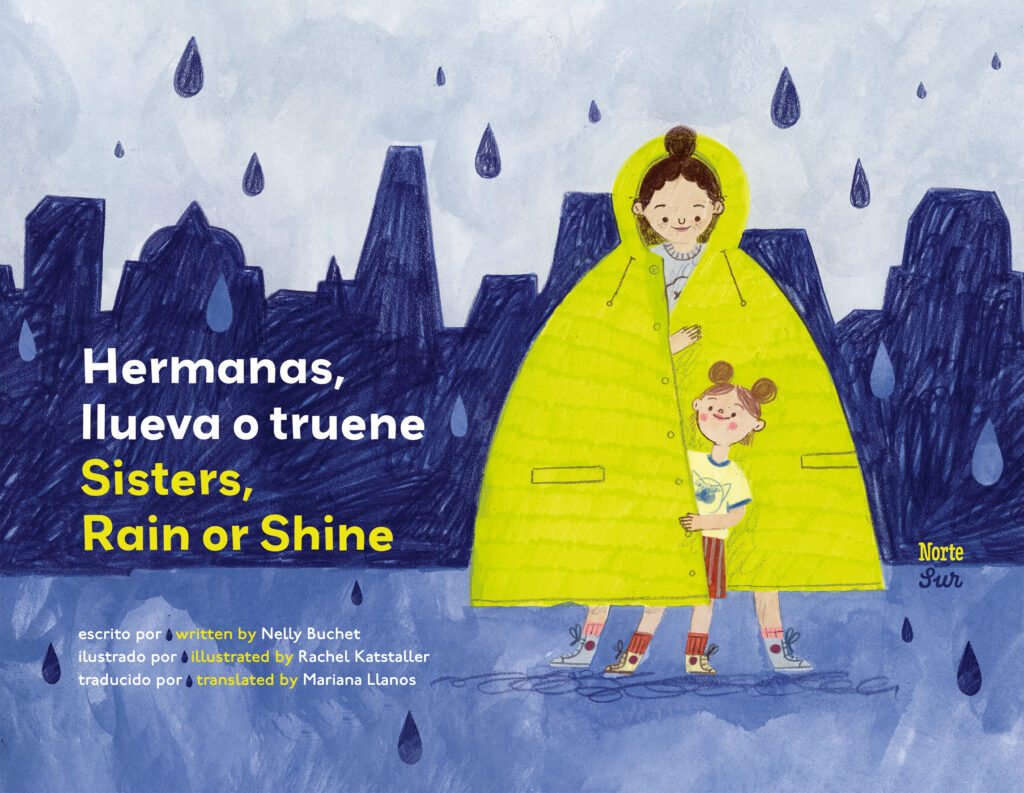
NorthSouth Books publishes high-quality picture books created by international authors, illustrators, and translators. They are also home to the Spanish language imprint, Ediciones NorteSur. Based in New York, their parent company NordSüd Verlag operates out of Zürich, Switzerland. Discover NorthSouth and NorteSur titles at northsouth.com.
Check out more Diversity booklists and resources, and our Inclusivity Resources.
